How to Detect Credit Card Skimmers: Signs & Protection
Learn how to detect credit card skimmers, common warning signs at ATMs and card readers, and steps you can take to protect your payment cards from fraud.
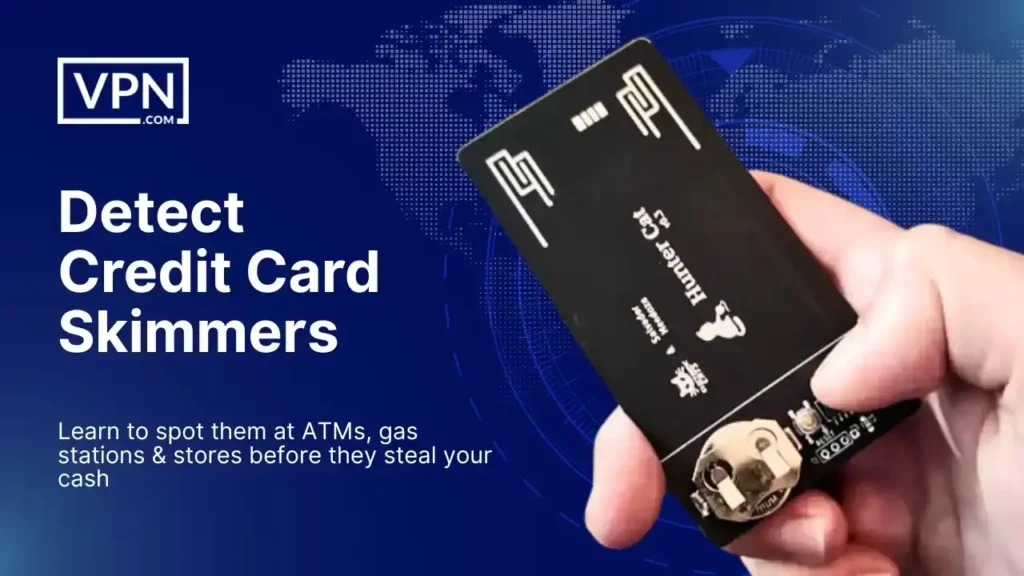
Credit card skimmers are sneaky, but you can be smarter. Learn to spot them at ATMs, gas stations & stores before they steal your cash. Stay ahead of scammers! Credit card skimming is a sneaky crime that’s skyrocketing. It costs people and banks over $1 billion in the U.S. alone every year.
Imagine swiping your card at a gas pump or ATM, only to find out someone stole your card details. Scary, right? A credit card skimmer is a tiny device that criminals use to grab your card info. It’s a growing problem, with a 96% jump in cases from 2022 to 2023.
This guide will teach you how to spot a credit card skimmer, what card skimming means, and how to stay safe. We’ll use easy words, clear steps, and real examples to keep you protected.
What is Card Skimming?
Card skimming is when thieves use a credit card skimmer to steal your card details. These devices grab info like your name, card number and expiration date from the magnetic stripe. Some even pair with cameras to snatch your PIN.
Criminals use this data to make fake cards, buy stuff, or sell your info on the dark web. Knowing what is a credit card skimmer helps you stay alert. Skimmers show up at ATMs, gas pumps and store checkouts.
Newer tricks like shimming target chip cards, while e-skimming hits online shoppers. With skimming up 20% in 2023 alone, learning how to detect credit card skimmers is a must.
Why Skimming is a Big Deal in
Skimming is not just a small issue. It’s a massive problem. Here are some eye-opening facts:
- Skimming costs over $1 billion yearly in the U.S.
- Cases jumped 96% from 2022 to 2023.
- 67% of skimming happens at gas stations and convenience stores.
- 8,000 stolen card numbers were found in a 2023 Romanian crime ring.
- EBT cards are extra vulnerable because they lack chip protection.
- 15% of 2024 online fraud came from digital skimming.
These numbers show why you need to know how to find a credit card skimmer. Let’s dive into spotting them.
How Do Credit Card Skimmers Work?
A credit card skimmer sits on or inside a card reader. When you swipe or insert your card, it copies the data. Some skimmers use Bluetooth to send info to thieves instantly. Others have cameras or fake keypads to grab your PIN.
Shimmers are thinner devices that steal chip card data. E-skimmers are malware that hit online stores. Knowing how skimming credit cards works helps you spot the signs.
How to Spot a Credit Card Skimmer
Spotting a credit card skimmer takes sharp eyes and a bit of know-how. Here’s how to detect credit card skimmers at ATMs, gas pumps, or stores:
- Look for Weird Card Readers:
Check if the card reader looks out of place. A skimmer may stick out, use a different color or material, or have misaligned arrows or panels. For example, a grey ATM with a yellow slot attachment could be suspicious. - Do a Wiggle Test:
Gently tug the card reader. If it feels loose or pops off, it could be a credit card skimmer. Real readers are bolted tight. Be gentle, you don’t want to break anything. - Check the Keypad:
Feel the keypad. Does it seem thick or spongy? Fake keypads are often overlays that record your PIN. Look for tiny holes nearby. Those could hide cameras watching you type. - Peek Inside the Card Slot:
Use your phone’s flashlight to look inside the slot. A credit card skimmer might have a thin circuit board or shimmer device. If the slot feels tight or your card sticks, that’s a warning sign. - Watch for Suspicious People:
See someone hanging around an ATM or gas pump? They might be placing or grabbing a skimmer. Trust your gut and use a different machine. - Compare Nearby Machines:
Look at other card readers at the same place. If one looks different, it might have a credit card skimmer. Gas pumps are a common spot for this. - Use Skimmer Detectors (Carefully):
Devices like Skim Scan can spot magnetic stripe skimmers. They are pricey at $100+ and don’t always catch shimmers. Most people skip these and rely on visual checks. - Avoid Risky Spots:
ATMs, gas pumps, and self-checkouts are skimmer hot spots. Tourist areas like airports are too. Use machines in safer places, like inside banks.
What Does a Credit Card Skimmer Look Like?
A credit card skimmer can be hard to spot. It might look like part of the machine. Some are bulky plastic pieces over the card slot. Others are tiny circuits inside.
Keypad overlays feel raised or soft. Cameras might be hidden in pinholes. Knowing what does a credit card skimmer looks like takes practice, but checking for these signs helps.
Can Chip Cards Be Skimmed?
Yes, chip cards can be skimmed. Shimmers are thin devices that fit inside chip readers. They grab data from the chip, not the stripe.
Contactless skimming is rare but possible with special tools. To stay safe, use tap-to-pay or mobile apps like Apple Pay. These are harder to skim.
How to Avoid Card Skimming
Preventing card skimming is easier than fixing it. Here’s how to stay safe. For a deeper breakdown of payment fraud prevention strategies, explore our complete guide to credit card security to strengthen your protection beyond skimming threats.
- Use Tap-to-Pay or Chip Cards:
Tap-to-pay with Apple Pay or Google Pay is super secure. Chip cards are better than magnetic stripes. They use encrypted transactions, so skimmers can’t easily grab them. Tap your card or phone instead of inserting it. - Cover Your PIN:
When typing your PIN, shield the keypad with your hand or body. This blocks cameras from seeing it. Stand close to the machine to hide the keypad. - Pick Safe Locations:
Use ATMs inside banks or well-lit areas. At gas stations, choose pumps near the store. Attendants are more likely to notice tampering. Pay inside the gas station if you’re unsure. - Check Your Accounts Daily:
Look at your bank and credit card statements every day. Set up text or email alerts for transactions. Spotting fraud early stops bigger losses. Use apps like LifeLock to watch for weird charges. - Use Credit Cards, Not Debit:
Credit cards have better fraud protection. Most have zero-liability policies, so you don’t lose money. Debit cards can empty your bank account, and refunds take longer. Run debit cards as credit to skip PIN entry. - Report Skimmers Right Away:
Found a credit card skimmer? Don’t use the machine. Tell the police or the bank directly. Don’t give it to store staff; they might be involved. Report to the FBI’s IC3 website, too. Call the police to handle the skimmer properly. - Skip Suspicious Machines:
If a reader looks off or your card sticks, walk away. Use another machine or pay with your phone. Contact your bank if your card gets stuck. - Shop Smart Online:
E-skimming hits online stores with malware. Only shop on secure sites that start with “https.” Use NordVPN, a good VPN, for safe online banking. It encrypts your connection. Install an antivirus like Malwarebytes to block e-skimming. - Be Extra Careful in Tourist Spots:
Airports and busy places like Times Square are skimmer magnets. Use cash or tap-to-pay in these areas. Carry some cash for small purchases. - Freeze Your Accounts:
Freeze your credit or debit accounts when you’re not using them. This stops thieves from using stolen data. Turn on two-factor authentication for extra security.
What to Do If Your Credit Card is Skimmed
If your card is skimmed, act fast. Here’s what to do if your credit card is skimmed:
- Check for Fraud: Look for strange charges on your account.
- Contact Your Bank: Call your bank or card issuer right away. Report the fraud and cancel the card.
- File a Report: Tell the police and file a complaint at www.ic3.gov.
- Place a Fraud Alert: Contact Equifax, Experian, or TransUnion to protect your credit.
- Monitor Accounts: Keep watching for more fraud. Use services like LifeLock.
- Use a VPN Online: NordVPN keeps your online banking safe from e-skimming.
Quick action can save you money and stress.
The History of Card Skimming
Skimming started in the 1980s with magnetic stripe cards. Early credit card skimmers were simple devices on ATMs. In the 2000s, they got better with cameras and overlays. A 2008 TJX breach stole 45 million card numbers.
By 2015, chip cards in the U.S. cut stripe skimming, so thieves made shimmers. The 2020s saw a 700% skimming surge, with self-checkouts and gas pumps as top targets. In 2023, Romanian gangs hit 84 U.S. sites, stealing 8,000 cards.
Now in , e-skimming and 3D-printed skimmers make it harder to spot a credit card skimmer.
Real Stories from Victims
People share their skimming nightmares online:
- Reddit: “I found a credit card skimmer at a gas pump. The slot was loose, so I pulled it off and called the cops.”
- Reddit: “My card got skimmed at 7/11. The reader looked fine, but I saw glue later. Now I use Apple Pay.”
- Quora: “A skimmer got my PIN at an ATM. I lost $500, but my bank refunded it after a week.”
- Stack Overflow: “E-skimming hit my online store. I added security scripts to stop it.”
These stories show why learning how to detect credit card skimmers is key.
Controversies Around Skimming
Skimming has some hot debates:
- Weak Detectors: Tools like Skim Scan don’t catch shimmers. They’re too expensive for most people.
- Old Tech: Some stores still use magnetic stripes, making skimming easier.
- Store Blame: Reddit users say stores should check machines better.
- Employee Issues: Some think gas station workers help install skimmers.
- EBT Risks: EBT cards don’t have chips, leaving low-income users open to fraud.
These issues make skimming a tough problem.
How to Protect Your Accounts and Identity Against Scammers
Protect your accounts and identity against scammers with these tips:
- Always check for a credit card skimmer before swiping.
- Use tap-to-pay or mobile apps for safer transactions.
- Watch your accounts daily for strange charges.
- Use credit cards for better fraud protection.
- Report skimmers to police or the FBI’s IC3 site.
- Shop online with NordVPN, a good VPN, to block e-skimming.
- Freeze your accounts when not in use.
These steps keep you safe from card skimming scams.
What You Need to Know About Card Skimming Scams
Card skimming scams are sneaky and costly. A credit card skimmer can look like part of a machine. Thieves use it to steal your info fast.
You might not know until charges appear. To avoid card skimming, inspect readers, use secure payments, and monitor accounts. Knowing what to do if your credit card is skimmed like calling your bank right away, saves you trouble.
Credit Card Skimmers: FAQs
Card skimming devices or credit card skimmers are tools thieves attach to ATMs, gas pumps or checkouts to steal card details like numbers and names. They may include cameras or fake keypads to grab PINs. E-skimmers target online stores with malware. In , skimming costs over $1 billion yearly.
If you find a credit card skimmer, don’t use the machine. Call the police or the bank immediately. Report it to www.ic3.gov. Don’t give the skimmer to store staff. Take a photo if safe. Check your account for fraud and alert your bank if you used the machine.
Tug the card reader gently; if it’s loose, it’s a credit card skimmer. Look for bulky or misaligned parts, odd colors, or tight slots. Check keypads for spongy overlays. Compared with nearby machines. Avoid ATMs or pumps in dark or busy areas.
Yes, spot a credit card skimmer by checking for bulky or misaligned readers, different colors, or raised keypads. Look for pinhole cameras or tight slots. Compare readers at gas stations or ATMs. Watch for people lingering near machines.
Use tap-to-pay or chip cards. Cover PINs when typing. Choose ATMs in banks or pumps near stores. Check accounts daily. Use credit cards for better protection. Shop on “https” sites with NordVPN, a good VPN. Freeze accounts when not in use.
The Bottom Line
Credit card skimming is a $1 billion problem. From overlay skimmers to e-skimming, thieves have many tricks. Learning how to spot a credit card skimmer is your best defense.
Check readers, cover PINs, and use tap-to-pay. NordVPN protects you from online skimming. If your card is skimmed, act fast to limit damage.
Stay sharp, and keep your money safe.