Should I Get A — What It Is & Why It Matters

Learn what should i get a is, how it works, and why it matters for your online security.

Updated By
Should I Get a VPN: guide on choosing the right VPN based on features, security, speed, and compatibility.

Still asking “Should I get a VPN?” The answer is yes, if you care about privacy, speed & streaming. Check out all 18 reasons & get the best deal today.

Online privacy is under constant attack. Every website you visit, every file you download, and every app you open can be tracked. ISPs log your browsing history. Advertisers build detailed profiles. Hackers scan public Wi-Fi for unprotected devices. Even governments monitor online communication.

Cyber threats are faster, wiser, and harder to detect than ever. A Virtual Private Network creates an encrypted tunnel between your device and the internet. This hides your IP address, making your location untraceable.

It shields your data from cybercriminals, trackers, and even your own internet provider. Modern VPNs use advanced protocols like WireGuard and NordLynx to combine strong encryption with high-speed performance, making them ideal for streaming, gaming, and secure work access.

So, should I get a VPN? If you value your privacy, want to avoid geo-restrictions, or need protection on public networks, the answer is clear.

This guide reveals 18 powerful reasons to get a VPN, from preventing ISP throttling to stopping data leaks, so you can take control of your digital security before it’s too late.

A VPN encrypts internet traffic, hides IP addresses, and protects data from hackers, ISPs, and trackers, ensuring safer online activity. It unlocks geo-restricted content, avoids ISP throttling, and secures public Wi-Fi connections.

VPNs enhance streaming, gaming, remote work, and anonymity while avoiding censorship and accessing region-specific deals. Choosing a trusted provider with strong encryption, fast protocols, a large server network, and no-logs policies ensures optimal speed, security, and reliability.

Paid VPNs outperform free options in privacy, performance, and protection, making them a smart investment for safer, unrestricted internet use.

What is a VPN and How Does it Work?

A VPN, or Virtual Private Network, creates a secure connection between your device and the internet. It routes your traffic through a private server instead of your internet provider’s server. This hides your real IP address and replaces it with the VPN server’s address.

VPN software encrypts the data you send and receive. Encryption makes it unreadable to hackers, advertisers, or anyone else trying to monitor your connection. Even your internet provider cannot see the websites you visit or the files you download.

Modern VPNs use strong encryption protocols such as AES-256, WireGuard, or OpenVPN. These technologies protect your data while keeping your connection stable and fast. Many users choose VPNs for security, but they also help unlock blocked websites and streaming platforms.

Should I Use a VPN?

You should use a VPN if you value privacy, security, or unrestricted internet access. It is especially useful when connecting to public Wi-Fi, streaming, gaming, torrenting, or avoiding censorship. Many people are getting a VPN to keep their data safe and reach content blocked in their region.

Top-rated providers like NordVPN, Surfshark, and ExpressVPN offer fast speeds, secure encryption, and large server networks. At the same time, there are a few limitations. Some streaming services or websites may block VPN IP addresses, requiring a change of server.

Even so, the privacy and security advantages remain strong reasons to use a VPN. If you are asking Should I get a VPN, the answer is yes for anyone who wants a safer, more private, and more open internet experience.

NordVPN

(4.9)

  • #1 VPN for Privacy

  • 8000+ high-speed VPN servers worldwide

  • Secure and private access to the internet

  • Protection from ads/trackers and malware

Try 2 Years of

NordVPN

for $107.73

or Try for $13.49/mo

30-day money-back guarantee

VPN.com may earn a commission when you buy through links on this page. This supports our independent research at no extra cost to you.

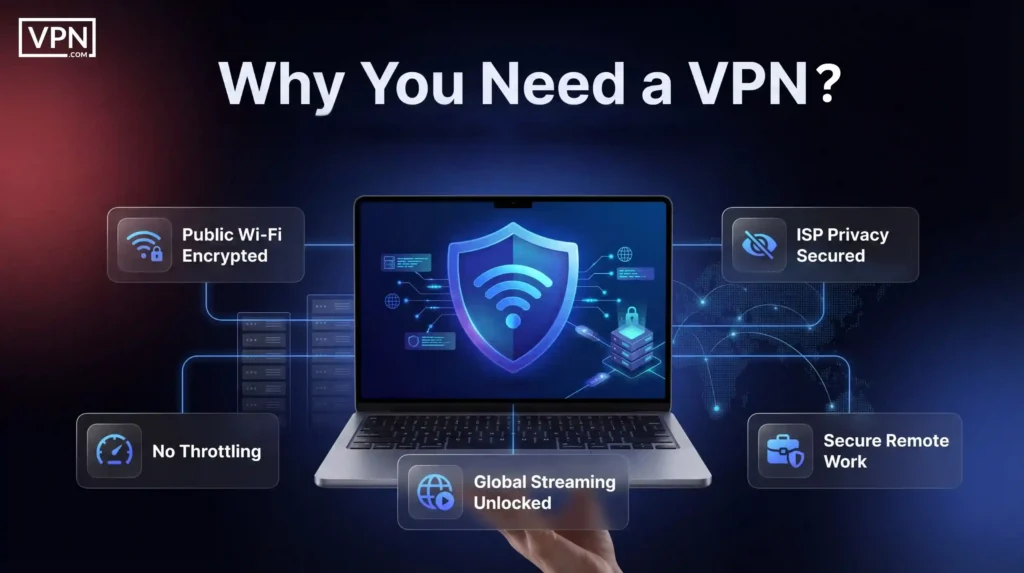
Why Do I Need a VPN in Today’s Online World?

There are many reasons for answering “Yes” to the question “Should I get a VPN?”  Data breaches are frequent, and hackers target both individuals and businesses. Internet service providers can track and log your browsing activity.

Public Wi-Fi in cafes, hotels, or airports leaves your information exposed to cybercriminals. Geo-restrictions limit access to streaming platforms, sports events, or websites based on location. Some ISPs slow down streaming or gaming traffic, affecting your online experience.

VPNs solve these problems by encrypting your data, hiding your IP, and allowing access to global content. Whether it’s avoiding censorship, securing remote work access, protecting financial transactions, or finding better online deals, a VPN offers practical solutions.

The following section covers 18 specific situations where a VPN provides clear benefits.

18 Best Reasons Why You Should Have a VPN in

VPNs are no longer just for tech experts. From protecting personal data to unlocking global content, the benefits are wide-ranging. If you’ve been wondering whether you should get a VPN, these reasons show why it’s worth considering:

Protect Your Online Privacy

A VPN hides your IP address and encrypts your data. This stops trackers, advertisers, and even your ISP from seeing your activity. Privacy is harder to maintain in today’s digital landscape.

VPN technology wraps your traffic in secure protocols like OpenVPN or WireGuard. It keeps your browsing, searches, and downloads private. Encryption forms a shield that protects sensitive data.

If you value online privacy and control over your data, the answer is yes. This is among the top reasons to get a VPN for safer, anonymous browsing.

Secure Public Wi-Fi Connections

Public Wi-Fi networks, like those in cafes and airports, expose your data to hackers. A VPN encrypts that data instantly. It prevents anyone on the same network from spying on you.

Your passwords, messages, and files stay safe. Even if the network is unsecured, a VPN acts like a barrier. Security on free networks improves significantly.

For anyone getting a VPN, public Wi-Fi protection is one of the clearest reasons to use a VPN. It turns a risky connection into a secure one.

Avoid Geo-Restrictions

Many websites block content based on region. VPNs let you connect to servers in other countries. You can access streaming services like Netflix US or BBC iPlayer, no matter where you are.

This opens global content libraries. It also works for news sites or apps restricted in your region. VPNs let you choose your location instantly. Content blocks vanish.

This flexibility is a key reason to get a VPN. It ensures you aren’t limited by location.

Avoid ISP Tracking and Throttling

Some ISPs monitor what you do online and slow down your activities. A VPN hides your traffic type from the provider. It makes your connections anonymous and untraceable.

Streaming, gaming, or torrenting activity stays private. ISP logging becomes ineffective. Throttling drops significantly, boosting performance.

This is a practical reason to get a VPN. It restores speed and privacy. You gain control over your bandwidth without ISP interference.

Work Remotely with Confidence

Remote work exposes data to threats on home networks or public Wi-Fi. A VPN encrypts your connection to corporate systems. It ensures your files, emails, and logins remain secure.

Companies often require VPN use for safe access to internal tools. VPNs protect remote communications from man-in-the-middle attacks or leaks. You stay safe wherever you work from.

Getting a VPN is one of the strongest reasons to use a VPN for professionals working outside the office.

Reduce Cybersecurity Risks

A VPN helps defend against phishing, malware, and spying attempts. While it doesn’t replace antivirus software, it blocks many attack paths. Hackers rely on knowing your IP and location.

VPNs hide both. They also make man-in-the-middle attacks much harder. This is why getting a VPN is a practical safety step. It strengthens your security posture online.

As cyberattacks grow, this layer of encryption reduces your risk. For many, this alone is one of the most important reasons to get a VPN today.

Stay Anonymous Online

Anonymity is becoming rare. ISPs, advertisers, and trackers build profiles from your data. A VPN stops them by masking your IP and encrypting your traffic.

This makes your activity harder to trace back to you. If you research sensitive topics or value private browsing, anonymity is vital.

Getting a VPN allows you to control what is shared. It keeps your digital identity hidden from prying eyes. This is one of the clearest reasons to use a VPN in any country.

Find Exclusive Online Deals and Discounts

A VPN lets you change your virtual location to unlock region-specific sales or early-bird offers. This works for software, subscription services, and even event tickets. Many e-commerce sites run promotions in select countries first.

By getting a VPN, you can access those hidden deals without waiting. It’s a smart way to make the most of global pricing strategies.

Avoid Internet Censorship

Some countries restrict access to certain websites or apps. VPNs route your traffic through servers in freer regions. This allows you to use blocked platforms and services.

It is a common solution for journalists, travelers, and residents in restricted zones. The ability to avoid censorship is one of the strongest reasons to use a VPN. It keeps the internet open and accessible.

Improve Gaming Performance and Access

Gamers face lag, regional server limits, and targeted DDoS attacks. A VPN can reduce ping by routing traffic through optimized servers. It also lets you connect to game servers in other regions. This means early releases or exclusive content become available.

Security improves, protecting you from targeted attacks. For serious players, gaming benefits are real reasons to get a VPN. It’s both a performance and privacy tool.

Stream Without Limits

Streaming platforms often restrict content by region. A VPN changes your virtual location, unlocking entire libraries. You can watch shows, sports, or films only available in certain countries.

It also helps avoid ISP throttling during streaming. Many users list this as one of the most common reasons to get a VPN. If you travel or want access to global content, it is a reliable solution.

Streaming freedom is a strong benefit of getting a VPN, especially for frequent media consumers.

Secure Torrenting Activities

Torrenting can expose your IP to others in the swarm. This creates privacy risks. A VPN hides your IP and encrypts your activity, making it harder for outsiders to monitor.

Many VPNs offer special P2P servers for faster, safer downloads. If you share or download large files, getting a VPN is essential for security. It prevents ISP warnings and keeps your activity private.

This is one of the clearest reasons to use a VPN for any regular torrent user.

Work and Study Remotely With Safety

Remote access to company or university systems often involves sensitive information. A VPN creates a secure connection from anywhere. This prevents data leaks and unauthorized access.

Businesses often require VPN use for remote work. Students use it to access restricted resources. Getting a VPN ensures you can work or study online without exposing private data.

It’s a professional safeguard and one of the most practical reasons to get a VPN for modern work environments.

Stop Targeted Ads and Tracking Profiles

Advertisers build detailed profiles based on your browsing habits. A VPN blocks much of this tracking by hiding your IP and location. This makes it harder for ad networks to follow you from site to site.

Access Social Media Anywhere

Some workplaces, schools, or governments block platforms like Facebook, Instagram, or X (Twitter). A VPN lets you log in from a server in a region without restrictions. This works for both web browsers and apps.

Staying connected to friends, family, or communities online becomes simple. For many, this convenience is one of the key reasons to use a VPN daily. Getting a VPN keeps communication channels open.

Save Money on Online Purchases

Flight tickets, hotel bookings, and subscription prices can vary by region. A VPN lets you change your location to find better deals. This can mean significant savings over time.

Many savvy shoppers list this as one of the top reasons to get a VPN. By getting a VPN, you can compare prices from multiple regions without leaving your home. It’s a practical way to pay less for the same service.

Access Online Tools in Restricted Workplaces

Some offices or schools block certain platforms, apps, or cloud services. A VPN lets you connect as if you’re outside the restricted network. This restores access to the tools you need without downtime.

Maintain Privacy While Traveling

When you connect to public Wi-Fi in airports, hotels, or cafes, your data is at higher risk. A VPN encrypts your connection, making it harder for hackers to intercept information.

This makes getting a VPN essential for frequent travelers. It also allows access to home services, banking, or streaming platforms while abroad.

Protecting privacy on the move is one of the most common reasons to get a VPN among professionals and tourists.

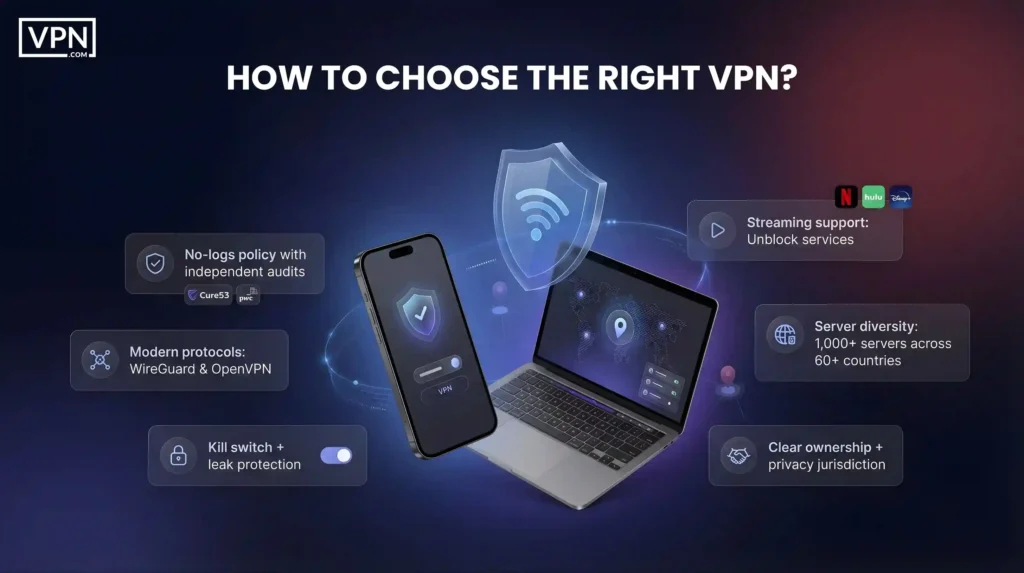
How to Choose the Right VPN for Your Needs?

Choosing the right VPN depends on your purpose: streaming, gaming, remote work, or privacy protection. Understanding the technical features helps you avoid slow, insecure, or unreliable services.

Encryption Standards

A VPN’s encryption determines how secure your data is. WireGuard and NordLynx lead in speed and security. OpenVPN is reliable and works on most platforms. Avoid outdated protocols like PPTP.

VPN Protocols in

  • WireGuard / NordLynx / Lightway: Best for speed (up to 950+ Mbps) and strong security.
  • IKEv2/IPSec: Stable for mobile browsing and gaming.
  • OpenVPN: Strong encryption, ideal for sensitive tasks.
  • L2TP/IPSec: Secure but slower; mainly for legacy systems.
  • PPTP: Insecure; not recommended.

Server Network & Coverage

A large server spread reduces congestion and improves speed. Multiple locations help avoid geo-blocks and censorship.

Device Support & Bandwidth

Choose providers that allow multiple devices on one account and offer unlimited bandwidth for streaming, gaming, and large downloads.

Speed & Reliability

Run Speedtest.net checks for minimal loss and low ping. Look for proven performance in streaming and gaming.

Privacy & Logging Policies

Opt for audited no-log VPNs. Avoid free services, 88% leak data or include malware.

Essential Features

Top Picks: NordVPN (best speed & security), Total VPN (budget-friendly), ExpressVPN (ease of use).

Free vs Paid: Why Should I Have a VPN That’s Premium?

Free VPNs may look tempting, but they are risky. A study shows that 88% of leaked data contains malware. Many sell your browsing data or inject ads. Some throttle speeds make streaming or gaming frustrating.

Premium VPNs offer fast servers, strong encryption, and no-log policies. They unlock Netflix, Hulu, and other platforms reliably. Reddit users praise paid VPNs for privacy and streaming, though some mention higher renewal costs.

If you’re getting a VPN for serious privacy, pick a trusted provider. Free services often cost more in lost data and security than a subscription ever would.

NordVPN

(4.9)

  • #1 VPN for Privacy

  • 8000+ high-speed VPN servers worldwide

  • Secure and private access to the internet

  • Protection from ads/trackers and malware

Try 2 Years of

NordVPN

for $107.73

or Try for $13.49/mo

30-day money-back guarantee

Should I Get a VPN: FAQs

A VPN protects your privacy, encrypts your data, and keeps you safe on public Wi-Fi. It also helps you access geo-restricted content and avoid ISP throttling.

A VPN is necessary to keep your online activity hidden from ISPs, advertisers, and cybercriminals. It encrypts your data, ensures safe browsing on public networks, and helps avoid censorship or geo-restrictions.

Yes, if you value security, privacy, and unrestricted access online. Paid VPNs offer better speed, safety, and reliability than free ones.

A VPN is important for keeping your information private, especially when using unsecured networks or avoiding online restrictions.

Yes, a VPN is worth it for streaming, gaming, traveling, or working remotely without privacy risks.

We need a VPN to protect data, hide our IP address, and avoid blocks or censorship. It ensures safer and freer internet use.

Getting a VPN helps you stay private online, protect data from hackers, and secure connections on public Wi-Fi. It also lets you access blocked content and avoid ISP speed throttling.

The Bottom Line

Using a VPN every day is one of the simplest ways to protect your privacy and keep your data safe. It shields you from ISP tracking, hackers, and data leaks. It also lets you access content worldwide and avoid throttling.

Whether you stream, game, travel, or work remotely, a VPN adds an essential security layer. Free options carry high risks, so invest in a trusted provider for speed, security, and reliability.

If you’ve been asking, Should I get a VPN, the answer is yes. Start today and keep your online life secure, every time you connect.

–>url="https://www.vpn.com/provider/nordvpn/"offer_text=”30-day money-back guarantee” type=”featured”features=”#1 VPN for Privacy, 8000+ high-speed VPN servers worldwide, Secure and private access to the internet, Protection from ads/trackers and malware”button_text=”Choose a Plan”]

Nordvpn
The VPN trusted by millions.
Buy Now